
Electric Engine
We develop and manufacture
type-certifiable engines that
power electric flight
Engine
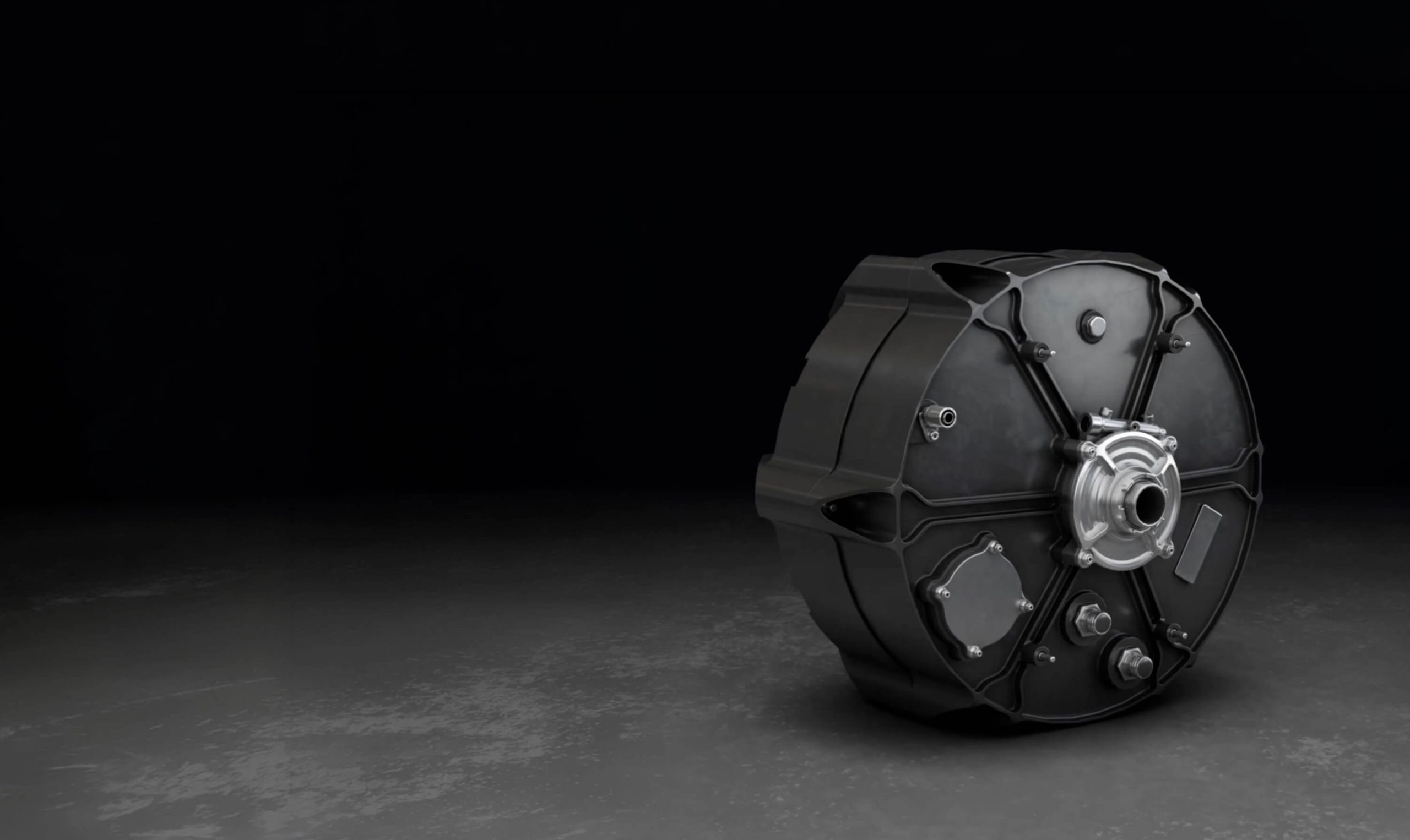
The E800
On a path to CAA / EASA SC E-19 / FAA Part 33 SC civil certification by 2028, this engine is a compact, integrated system of our proprietary axial flux motor and industry leading DAL-A controls hardware and software.
Engineered for high voltage, direct drive systems with prop-load-capable drive end bearings and through-shaft access for propeller pitch controls.
The E800
If you’d like to learn more about our electric engine, we’d love to hear from you.
We understand there may be technical considerations to navigate. Our experienced aerospace team is available to provide expert guidance and support, enabling confident and well-informed decision-making.
Electric Engines
We design, certify and manufacture electric engines that power electric flight.
Electric Motors
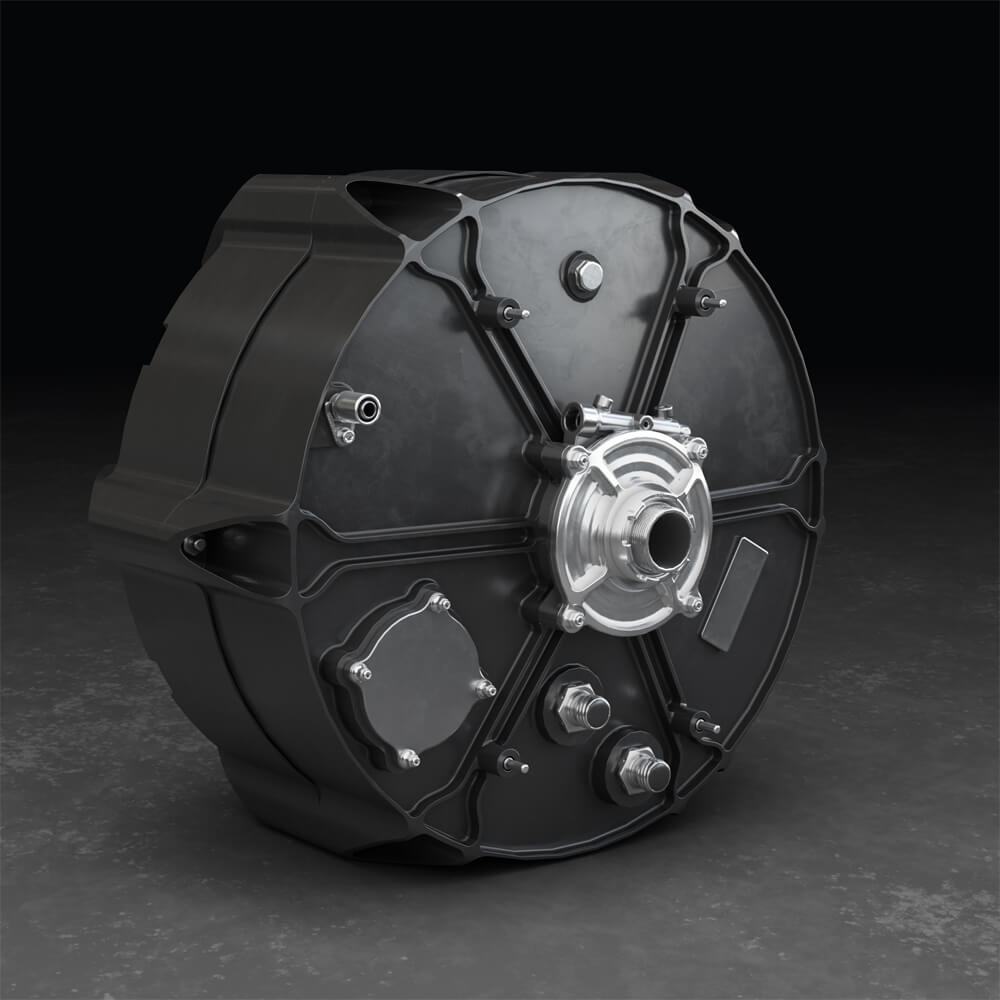
We design, engineer and manufacture electric motors for propulsion and generation.
Motor Controls
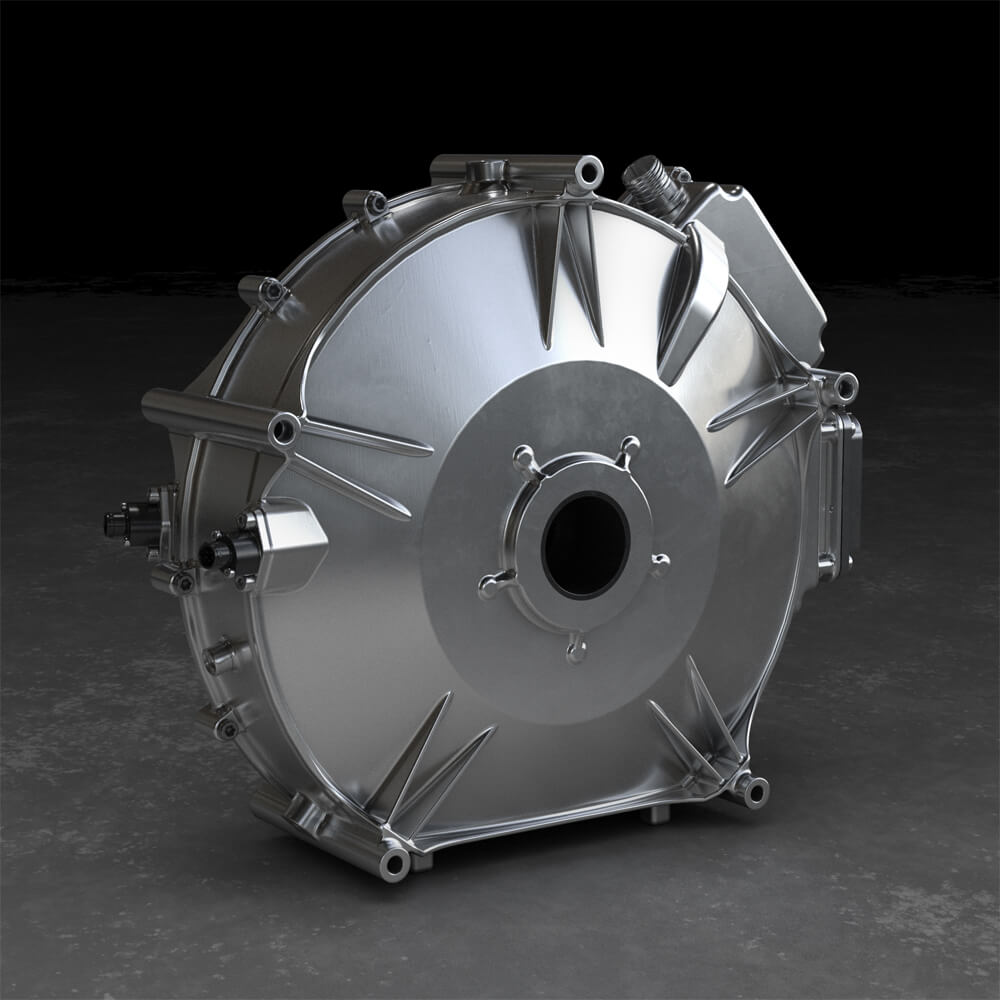
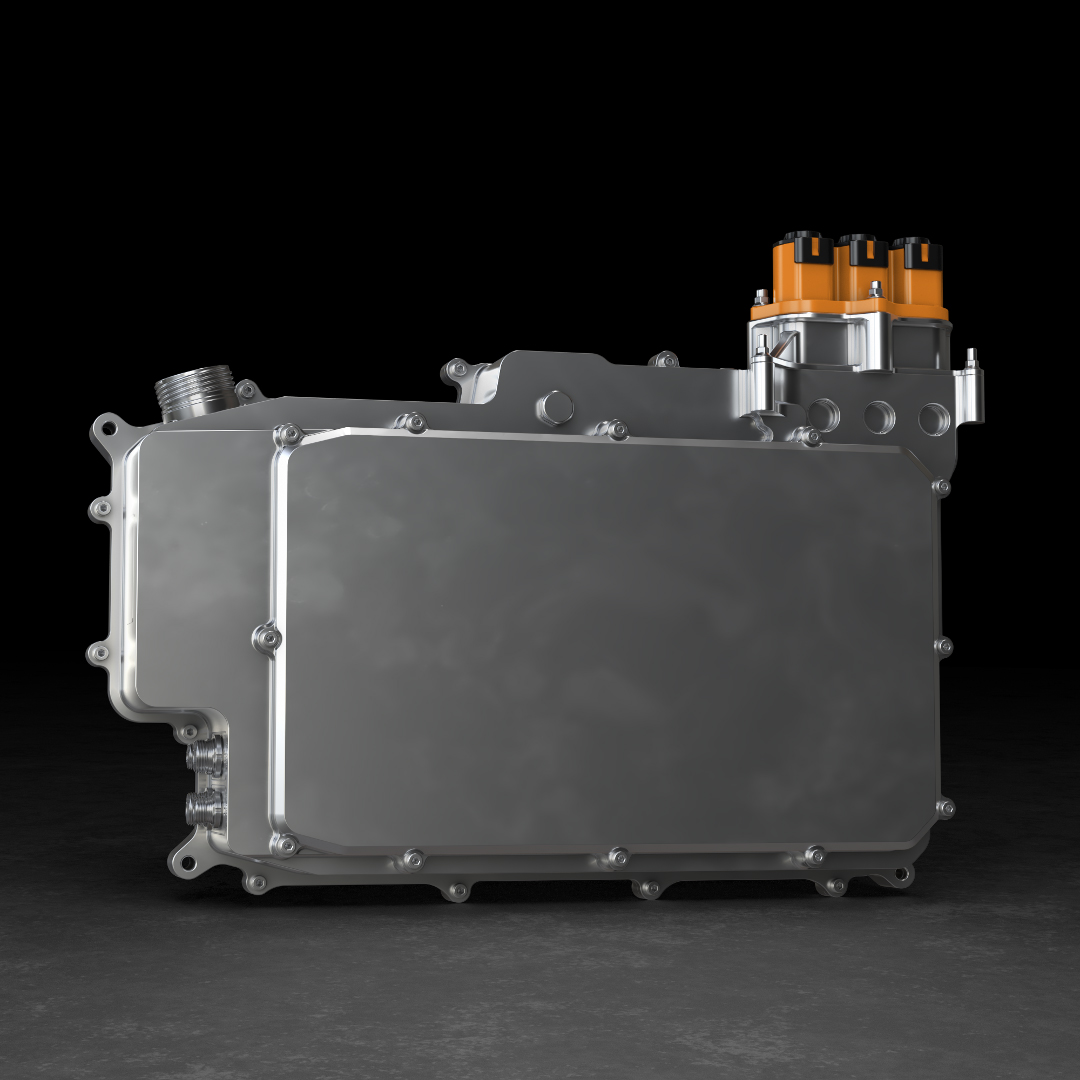
Control systems designed for safety-critical electric propulsion and generation.




FAQs
Here you’ll find answers to common questions about motor types, specifications, installation, and maintenance.
Can’t find what you need?
What maintenance interval are your engines designed to?
5,000 flight hours (with an intent to increase to 10,000 hours post-EIS).
Why do you use liquid cooling when your competitors use air cooling?
It is necessary to maintain high performance from the compact package delivered by Evolito machines. Internal temperature management is important, and this can only be done effectively by liquid cooling. Did you know the fins on air cooled machines are detrimental to aerodynamics?
Does your fully integrated system include the coolant system
Our engines includes a motor, control & inverter hardware and software and sealed for life cooling system including pump.
Are your engines compatible with propeller pitch control actuation systems?
Yes, the engine is designed for propeller pitch controls to pass through the central shaft.
Are your engines designed to be situated within a fire zone?
Yes, our engines are designed to meet “fireproof” requirements
Is an engine the same as an Electric Propulsion Unit?
Yes. We use the term Electric Engine as this is the lexicon used by the CAA and governing standards. Note, By FAA definition, an EPU would also include the propeller.
Do your controls include an inverter?
Yes, all of our Engines come with integrated software and hardware for controlling the axial flux motor and inverting HVDC to HVAC