
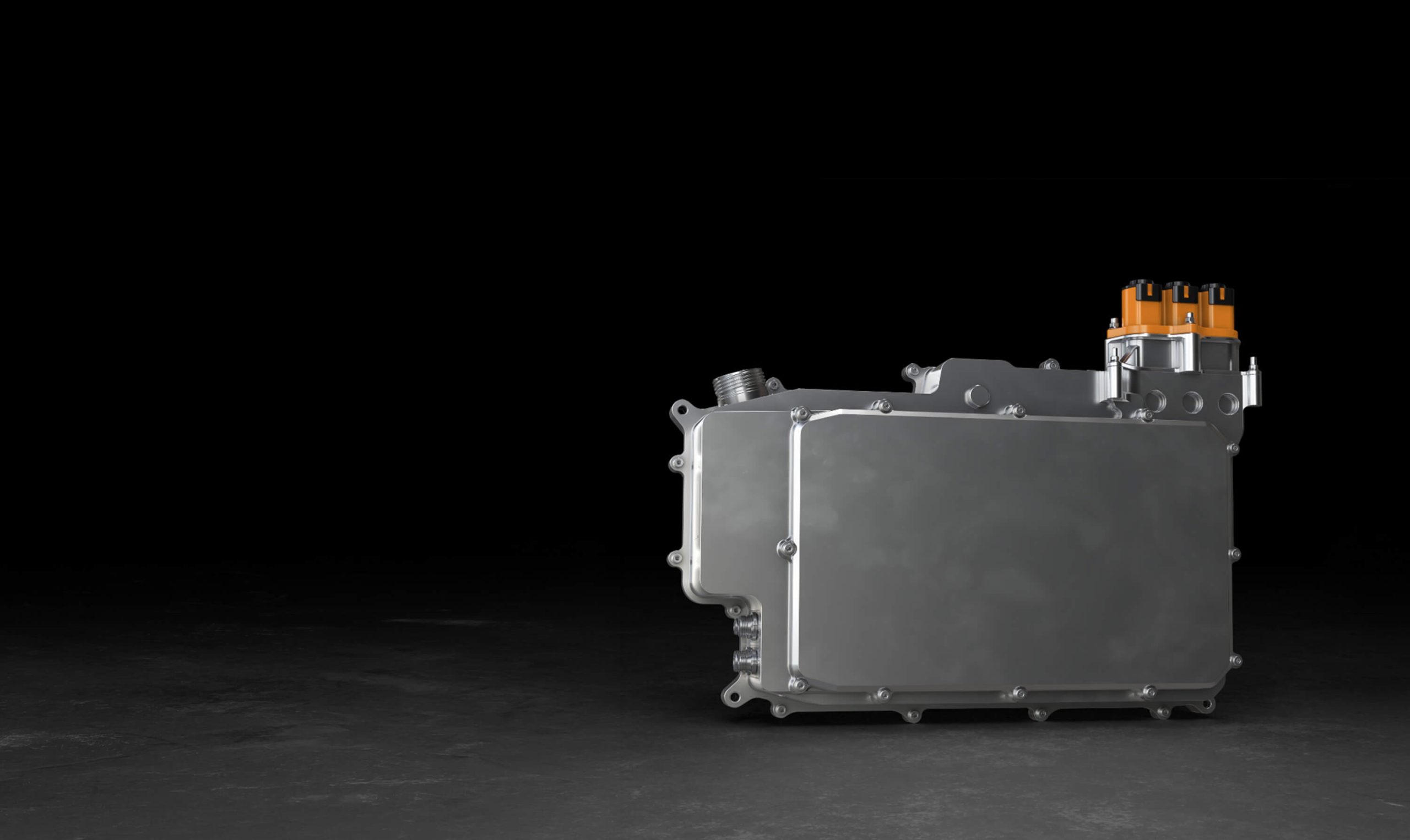
Motor Control
Control systems designed
for safety‑critical electric
propulsion
DO-178C
DO-254
ARP4754B
Controls
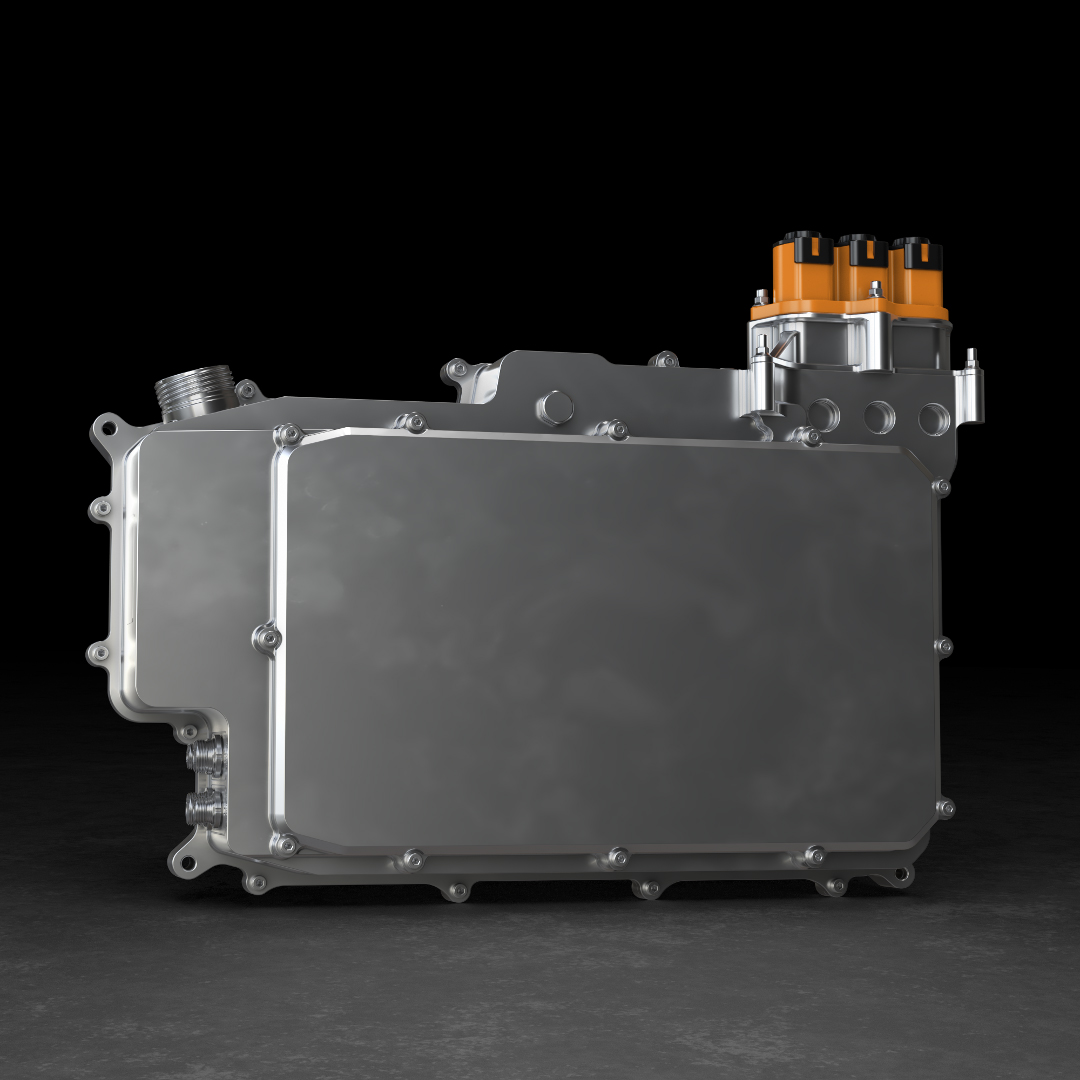
The MC350
In electric propulsion, the motor controller is a primary safety system, responsible for predictable behaviour, protection and fault handling under all operating conditions.
Evolito’s motor controls are developed to Design Assurance Level A (DAL‑A), the highest safety classification applied to airborne systems, with software and electronics engineered to the same rigour as flight‑critical aircraft systems.
The MC350 is Evolito's aviation-grade controller designed to meet DO-178C and DO-254 in propulsion and power generation systems.
The MC350
If you’d like to learn more about our motor or power controls, we’d love to hear from you.
Our experienced team can support everything from early‑stage architecture decisions through to certification‑ready programmes.
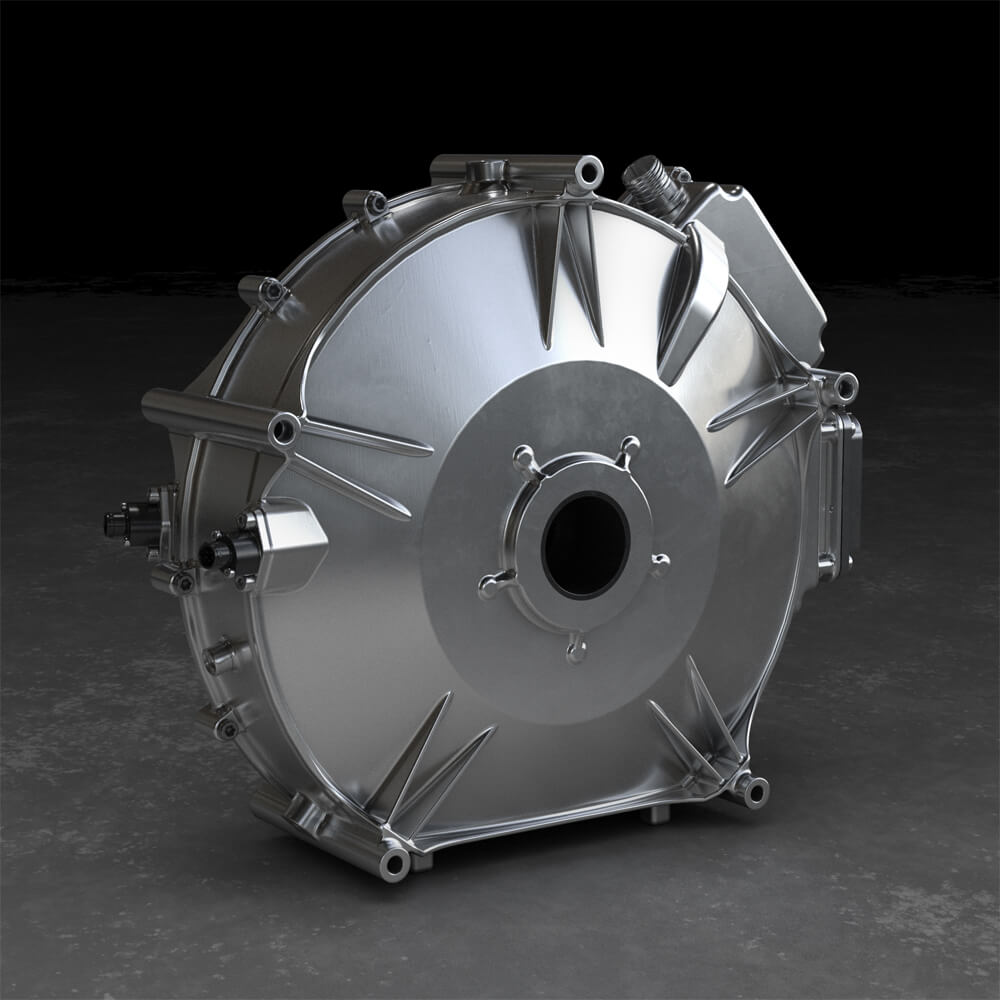
Electric Engines
We design, certify and manufacture electric engines that power electric flight.
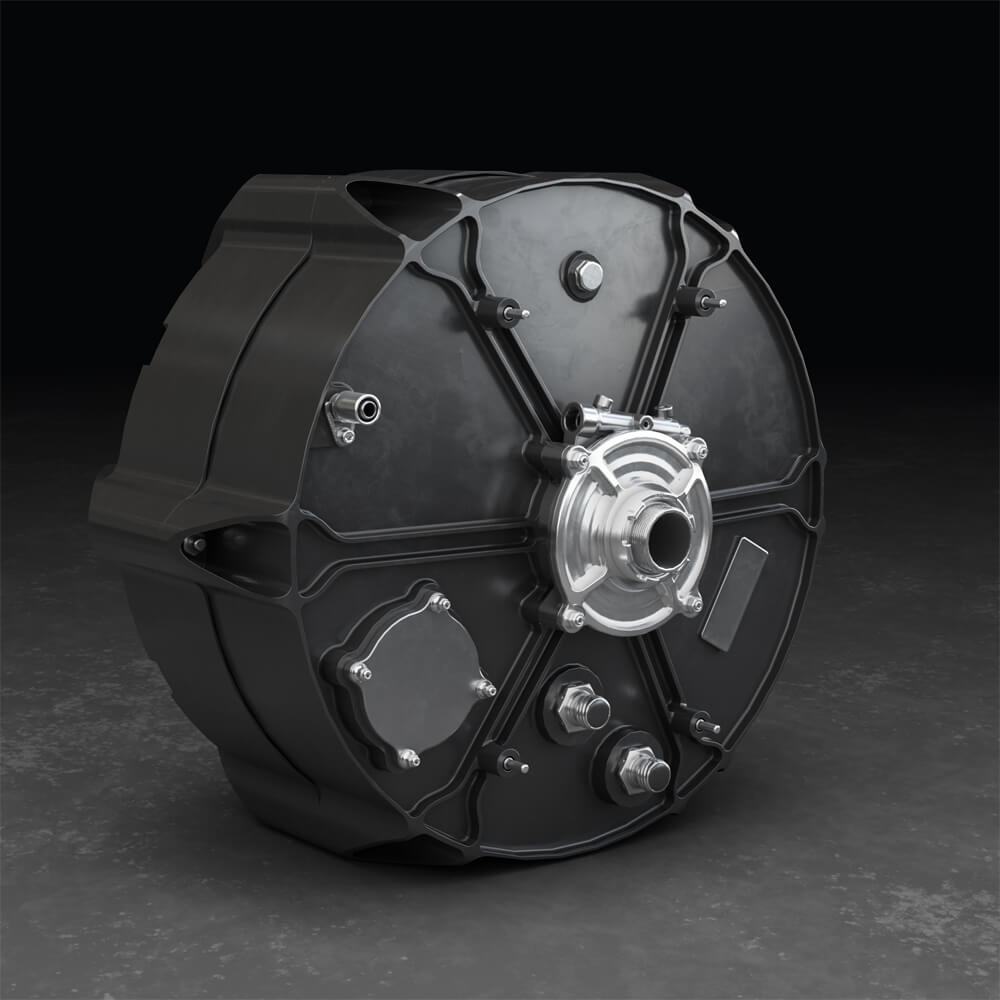
Electric Motors
We design, engineer and manufacture electric motors for propulsion and generation.
Motor Controls
Control systems designed for safety-critical electric propulsion and generation.




FAQs
Here you’ll find answers to common questions about motor types, specifications, installation, and maintenance.
Can’t find what you need?
What maintenance interval are your products designed to?
5,000 flight hours , (with an intent to increase to 10,000 hours post EIS)
Why do you use liquid cooling when your competitors use air cooling?
It is necessary to maintain high performance from the compact package
What does DAL‑A mean for motor control systems?
DAL‑A is the highest safety classification for airborne systems, requiring deterministic behaviour, comprehensive fault handling and full traceability across software and hardware.
Does MC350 work only with Evolito motors?
No, MC350 is motor agnostic and can be adapted for use in both propulsion and generation applications
How does Evolito address redundancy in motor control systems?
Evolito motor controls are configured with independent control lanes to support fault detection and continued controlled behaviour in the event of a failure.